Science & projects
Build the Human Body Layer by Layer: A Bilingual Flipbook
Share this ideaSave on Pinterest
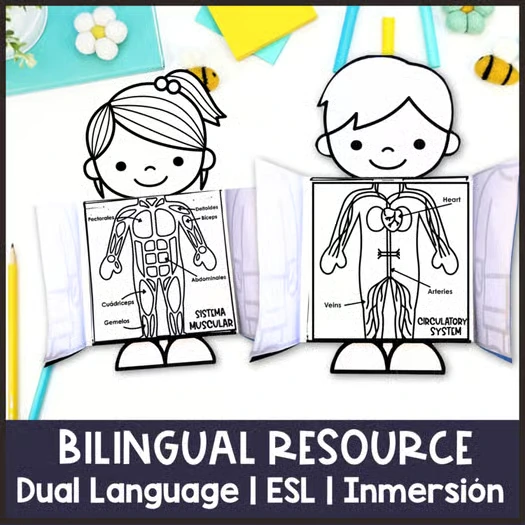
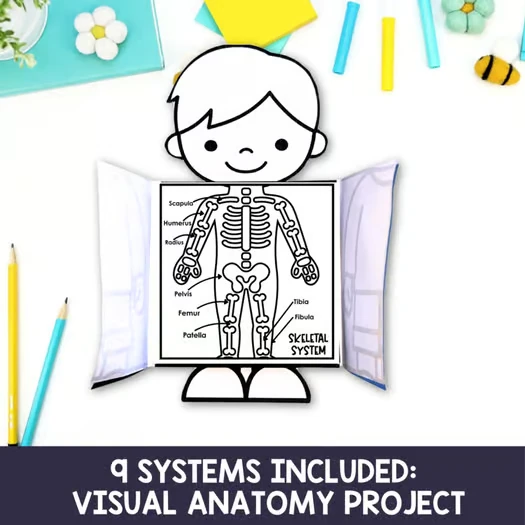
If your students can name a body system but struggle to explain what they are looking at, give the diagram something they can open and compare. The Educando Einsteins Body Systems Build and Learn Flipbook turns the body into layers. This is the bilingual resource from Ina’s Instagram video, with English and Spanish together in one printable PDF.
Looking for the original material?
View the resource on TpTThe resource you saw on Instagram
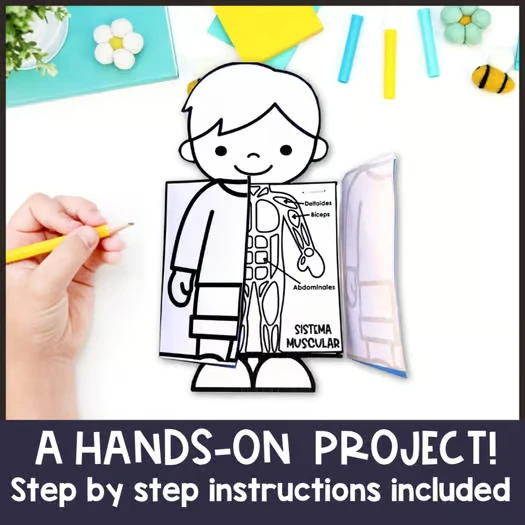
The hands-on flipbook uses body-system templates that children assemble into a layered model. The original product includes boy and girl models and English and Spanish versions, so you can choose the template and language that fit the lesson.
Before printing, decide which system you want children to explain. Keep that goal visible while you prepare the activity. The point is to give each layer a meaning, rather than to finish a model without discussing what it shows.
Give each layer a vocabulary focus
Introduce a few key labels from the chosen template before assembly. Ask students to point to a feature, say its name and return to it as they work. Keep a reference available for children who need help matching the spoken word to the diagram.
Once the model is ready, open one layer and invite students to describe what they notice. Use short questions that refer to the visible diagram. Let them rehearse with a partner before sharing with the class.
Choose the language intentionally
Both English and Spanish are included in the same resource. You can teach in the language of the lesson while keeping the visual model familiar. Having both versions does not mean students need to translate every label in a single session.
For a bilingual class, choose a small vocabulary goal and model the pronunciation and meaning of those words. Revisit the same layer in the other language when it serves your lesson plan. Let the model support the explanation instead of expecting it to do the teaching on its own.
Use the finished model to hear understanding
Before putting the model away, ask each student to open a layer, identify one label and explain one thing about that system using what the class has studied. Keep the information source close so students can check a detail instead of guessing.
The original listing describes a non-editable printable PDF with nine systems and assembly instructions. The complete resource is purchased and downloaded on TpT; the images here are the original public previews. Choose the resource button below to find the exact product from Instagram.
Teaching suggestions with original Educando Einsteins photographs and resource previews.