Science & projects
Human Body Projects: From Research to an Explanation
Share this ideaSave on Pinterest
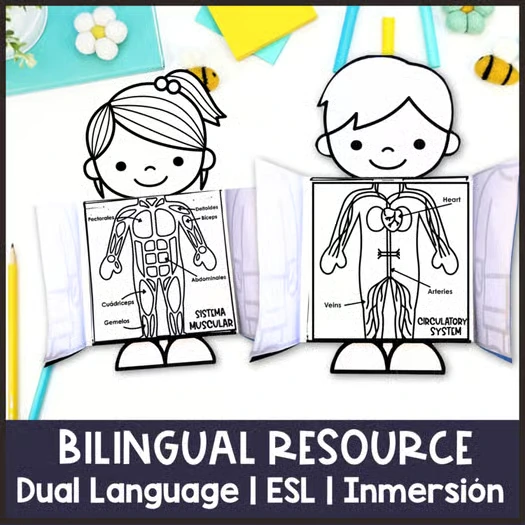
A model can be the most visible part of a science project, but the important planning question comes first: what will students use it to explain? Start with that purpose before gathering supplies. The Educando Einsteins human body project provides a structure for research, team responsibilities, model ideas and presentations.
Looking for the original material?
View the resource on TpTStart with the explanation you want to hear
Choose the body system and the question your team will investigate. Ask students what they need to find out before building. Keep a place for questions that cannot yet be answered, so research has a direction beyond collecting interesting facts.
Plan the final audience and format early. A short explanation to classmates can be a useful rehearsal before a larger presentation. Decide what evidence you will listen for when the model is demonstrated.
Make responsibilities visible
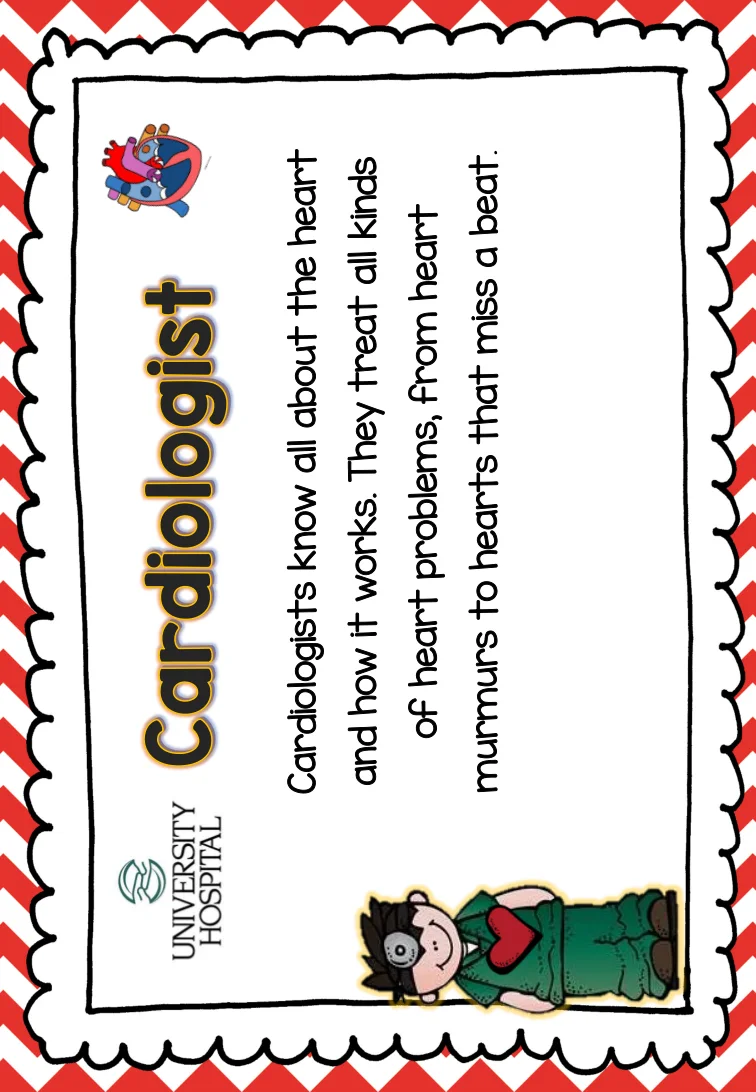
Use the project’s role guidance to make each contribution clear. Discuss what a role needs to find out and how that information will help the whole team. Build in short check-ins so a title on a card does not replace participation.
During a check-in, ask each student to explain one useful finding and one question. Revisit responsibilities when the group moves from research to making and presenting. A student may need a different kind of support at each stage.
Keep notes connected to the model
Before gathering supplies, ask students to select information they will need to explain the chosen system. Separate a copied fact from a note the student can explain. Invite students to use their own words, with access to the source for checking.
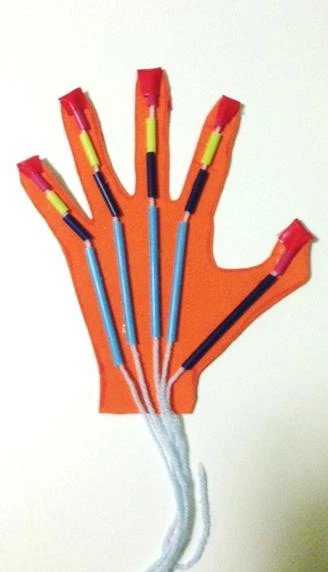
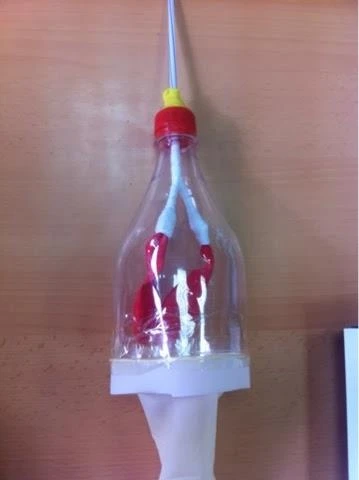
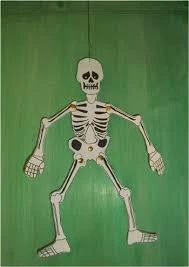
Use the model photographs to discuss what the construction represents. The original hand model, for example, gives the team a concrete object to observe and explain. Select a manageable model and have an adult handle tools or preparation steps that require it.
Assess the explanation as well as the finished work
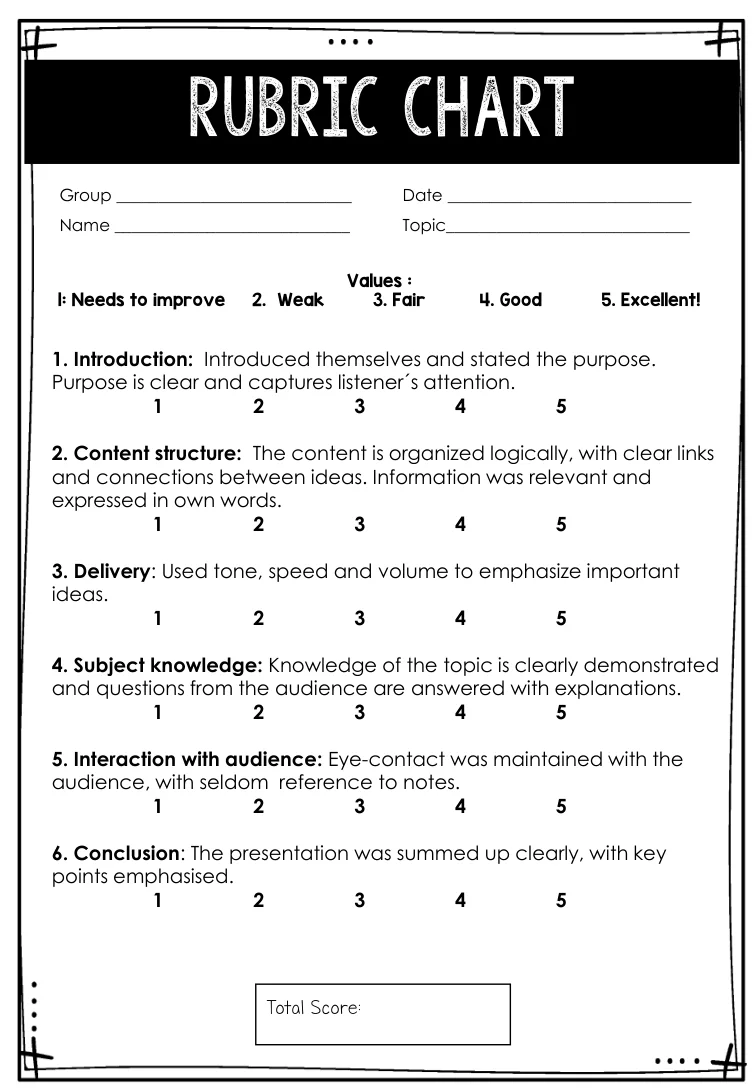
Share the presentation expectations before the final rehearsal. Ask teams to show a part of the model, explain what it represents and connect it to their research. Let a partner ask a question before the public presentation.
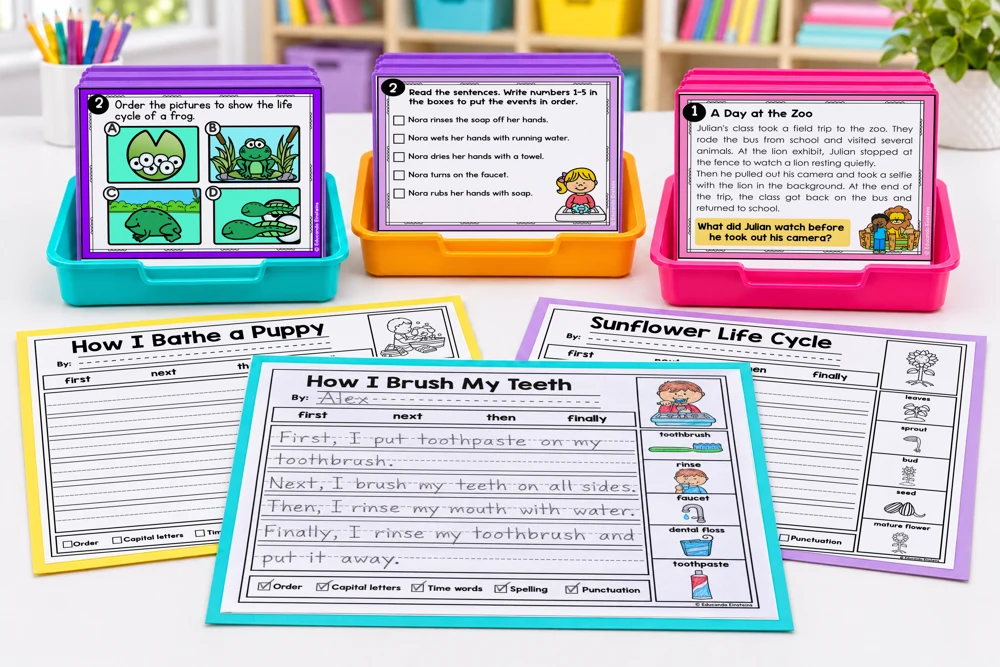
Use the project rubrics to organize feedback, then give the team time to improve one specific part. The photographs here come from Ina’s original project file. The current TpT listing provides the preview of the edition available to purchase; the teaching resource is in English.
Teaching suggestions with original Educando Einsteins photographs and resource previews.